


 For many owners, data security has become one of the biggest cybersecurity concerns facing small businesses today. From customer records and payment information to internal documents and employee data, nearly every organization stores sensitive digital information. Without proper protection, that data can be exposed to breaches, regulatory penalties, and serious damage to a company’s reputation.
Small business cybersecurity is often overlooked because owners assume hackers target only large corporations. In reality, smaller organizations are frequently targeted because they may have weaker defenses and fewer internal IT resources. Understanding the risks surrounding data security and compliance is the first step toward protecting your business and maintaining customer trust.
Why Data Security Matters for Small Businesses
Small businesses rely heavily on digital systems to operate—email, cloud storage, financial software, and customer databases. These tools help companies work efficiently, but they also create potential entry points for cybercriminals.
A failure in data security can result in:
- Exposure of customer information
- Financial loss from fraud or ransomware
- Regulatory fines and compliance violations
- Business interruption and downtime
- Long-term damage to brand reputation
Strong data security practices are essential for protecting both business operations and client relationships. When customers trust you with their personal or financial information, protecting that data becomes a responsibility—not just an IT task.
Data Security Risks That Lead to Compliance Problems
Many cybersecurity concerns for small businesses revolve around compliance requirements. Various industries must follow regulations that require organizations to properly secure data and report breaches.
Examples include:
- Financial data protection requirements
- Healthcare information regulations
- Privacy laws governing customer information
- Payment card security standards
When a company fails to maintain proper data security, it may violate these regulations. This can lead to investigations, fines, and legal exposure. Even small businesses can face serious penalties if they are not protecting sensitive information appropriately.
Common Data Security Weaknesses in Small Businesses
Many organizations believe they have basic protection in place, but gaps still exist in their cybersecurity strategy. Some of the most common weaknesses include:
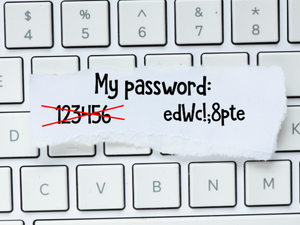 1. Weak Password Policies
Employees often reuse passwords or choose simple ones that are easy to guess. Without multi-factor authentication, attackers can gain access to systems quickly.
2. Lack of Employee Cybersecurity Training
Human error remains one of the biggest cybersecurity concerns. Employees may unknowingly click malicious links or share sensitive information with attackers.
3. Unsecured Cloud Storage
Cloud services are convenient but must be properly configured. Misconfigured cloud storage is a common source of data security breaches.
4. Outdated Software and Systems
Old software often contains security vulnerabilities. Without regular updates and patches, attackers can exploit these weaknesses.
5. Limited Monitoring and Detection
Many small businesses do not monitor their networks for suspicious activity. This makes it difficult to detect breaches before significant damage occurs.
Data Security and Regulatory Compliance
Organizations must demonstrate that they are actively protecting sensitive data. Compliance frameworks typically require businesses to implement safeguards such as:
- Secure network infrastructure
- Data encryption
- Access control policies
- Regular security monitoring
- Incident response planning
These measures help ensure that data security is maintained and that businesses can respond quickly if a breach occurs. Companies that take compliance seriously also strengthen their overall cybersecurity posture.
How Small Businesses Can Improve Data Security
Improving data security does not require a massive internal IT department. Small businesses can strengthen their defenses by implementing practical cybersecurity strategies.
Key steps include:
 Conducting regular cybersecurity risk assessments
- Implementing strong password and authentication policies
- Training employees on phishing and cybersecurity threats
- Backing up critical business data regularly
- Monitoring networks and systems for unusual activity
- Working with cybersecurity professionals who understand small business needs
By addressing these cybersecurity concerns proactively, businesses can reduce their exposure to attacks and avoid compliance risks.
Why Outsourcing Cybersecurity Is Often the Smart Choice
Many small business owners do not have the time or expertise to manage cybersecurity internally. Partnering with a cybersecurity provider can help ensure proper protection without overwhelming internal resources.
Managed cybersecurity services provide:
- Continuous security monitoring
- Threat detection and response
- Data protection strategies
- Compliance guidance
- Employee cybersecurity training
This approach allows business owners to focus on running their company while experienced professionals handle the complex world of cybersecurity.
Protect Your Business With Integrated Technology Systems
If your organization is concerned about data security, now is the time to strengthen your defenses. Cyber threats and compliance requirements continue to evolve, and small businesses must stay ahead of these risks.
Integrated Technology Systems specializes in helping small businesses address cybersecurity concerns, protect sensitive data, and maintain compliance with industry standards.
Our team provides expert cybersecurity solutions designed specifically for small business environments.
Call Integrated Technology Systems today at 212-750-5420 to learn how we can help protect your business with stronger data security and proactive cybersecurity protection.
Don’t wait until a breach occurs—secure your business before a problem happens.
Like our Facebook page for more cybersecurity tips.
Integrated Technology Systems
6 East 45th Street, Suite 400
New York, NY 10017
212-750-5420
https://www.itsnyc.com


