


 Cyber threats are evolving faster than ever, and small businesses are no longer flying under the radar. Ransomware, phishing attacks, data breaches, and AI-powered cybercrime are becoming more sophisticated — and more costly. As we move into 2026, having a proactive cybersecurity plan is no longer optional; it’s essential for protecting your operations, customer trust, and revenue.
At Integrated Technology Systems, we help small businesses design scalable, affordable cybersecurity strategies that reduce risk and improve business resilience.
How You Can Build a Strong Cybersecurity Plan for 2026
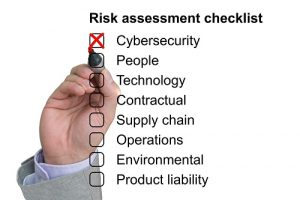
1. Start With a Cyber Risk Assessment
The foundation of any cybersecurity plan is understanding where your vulnerabilities exist. A professional risk assessment evaluates your network, devices, cloud platforms, employee practices, and data storage systems. It identifies weak points such as outdated software, unsecured Wi-Fi networks, weak passwords, or unprotected backups.
Knowing your risks allows you to prioritize security investments and avoid wasting money on tools you don’t actually need.
2. Upgrade Your Security Tools and Infrastructure
Cybersecurity in 2026 requires layered protection. Your business should have:
- Next-generation firewalls and intrusion detection systems
- Endpoint protection for laptops, desktops, and mobile devices
- Advanced email filtering to block phishing attacks
- Secure cloud backup and disaster recovery solutions
- Encrypted data storage and file sharing
Outdated antivirus software alone is no longer enough. Modern threats require intelligent tools that detect unusual behavior and stop attacks in real time.
3. Train Employees to Be Your First Line of Defense
Human error remains one of the biggest causes of security breaches. Employees should be trained regularly on:
- Identifying phishing emails and social engineering tactics
- Creating strong passwords and using multi-factor authentication
- Safe browsing habits and secure file sharing
- Proper handling of sensitive customer and financial data
Short quarterly training sessions and simulated phishing tests can dramatically reduce your risk exposure.
4. Create an Incident Response Plan
 If a cyberattack happens, how quickly your team responds makes all the difference. Your incident response plan should include:
- Who to contact internally and externally
- How to isolate infected systems
- How to restore data from backups
- How to communicate with customers if needed
- Steps to prevent repeat incidents
Planning ahead reduces downtime, financial loss, and reputational damage.
5. Strengthen Compliance and Data Protection
Many industries must comply with regulations related to data security and privacy. Make sure your cybersecurity plan addresses:
- Secure data retention policies
- Access control and permissions
- Audit logging and monitoring
- Vendor security requirements
Compliance protects your business from fines while strengthening overall security.
6. Partner With a Managed IT and Cybersecurity Provider
Small businesses rarely have the time or internal expertise to manage cybersecurity alone. A trusted IT partner provides:
- 24/7 network monitoring
- Automated patch management
- Proactive threat detection
- Ongoing security improvements
- Expert guidance as threats evolve
This allows you to focus on running your business while professionals protect your systems.
Questions About Your Cybersecurity Plan
1. Why do small businesses need a cybersecurity plan?
Small businesses are prime targets because attackers know many lack advanced security controls. A cybersecurity plan reduces the risk of financial loss, downtime, and data breaches.
2. How often should a cybersecurity plan be updated?
Your plan should be reviewed at least annually or whenever your business adds new technology, staff, or locations.
3. What is the biggest cybersecurity threat in 2026?
Phishing attacks powered by AI, ransomware, and supply chain vulnerabilities are among the biggest threats businesses face.
4. Is cybersecurity expensive for small businesses?
Cybersecurity is scalable. A managed solution allows small businesses to get enterprise-level protection at a predictable monthly cost.
5. Do remote employees increase cybersecurity risk?
Yes. Remote work introduces new risks such as unsecured home networks and personal devices. Proper security policies and tools reduce this exposure.
6. Can managed IT services really prevent cyberattacks?
While no system is 100% immune, proactive monitoring, patching, employee training, and rapid response dramatically reduce the likelihood and impact of attacks.
Ready to protect your business in 2026 and beyond? Integrated Technology Systems can help you assess your current security posture, design a customized cybersecurity plan, and implement the right solutions for your budget and growth goals. Contact Integrated Technology Systems today to schedule a cybersecurity consultation and start building a stronger, safer business.
Integrated Technology Systems
6 East 45th Street, Suite 400
New York, NY 10017
212-750-5420
https://www.itsnyc.com


